At this time the wikipedia article we will discuss the whole thing about the clothes and the notion clothing itself.

Definition Clothing
Clothes are basic human needs besides food and shelter (house). Humans need clothing to protect and hung up on her. But along with the development of human life, clothing is also used as a symbol of status, position, or the position of a person who wears it. Development and other types of clothing depends on mores, customs, and cultures that are typical of each. Clothes also enhance safety during hazardous activities such as hiking and cooking, by providing a barrier between the skin and the environment. Clothes also provides a hygienic barrier, keeping toxins from the body and limiting transmission of germs.
function clothing
One of the main objectives of clothing is to keep the wearer feel comfortable. In hot climates clothing provides protection from sunburn or a variety of other effects, whereas in cold climates thermal insulation properties are generally more important.
Clothing to protect parts of the body that are not visible. Clothes act as protection from damaging elements, including rain, snow, wind or other weather conditions, as well as from the sun. Clothes also reduce the level of risk during activity, like work or sport. Clothing sometimes worn as protection from specific environmental hazards, such as insects, noxious chemicals, weapons, and contact with abrasive substances. Conversely, clothing may protect the environment from the wearer clothes, such as wearing a mask.
fabricClothes are basic human needs besides food and shelter (house). Humans need clothing to protect and hung up on her. But along with the development of human life, clothing is also used as a symbol of status, position, or the position of a person who wears it. Development and other types of clothing depends on mores, customs, and cultures that are typical of each. Clothes also enhance safety during hazardous activities such as hiking and cooking, by providing a barrier between the skin and the environment. Clothes also provides a hygienic barrier, keeping toxins from the body and limiting transmission of germs.
function clothing
One of the main objectives of clothing is to keep the wearer feel comfortable. In hot climates clothing provides protection from sunburn or a variety of other effects, whereas in cold climates thermal insulation properties are generally more important.
Clothing to protect parts of the body that are not visible. Clothes act as protection from damaging elements, including rain, snow, wind or other weather conditions, as well as from the sun. Clothes also reduce the level of risk during activity, like work or sport. Clothing sometimes worn as protection from specific environmental hazards, such as insects, noxious chemicals, weapons, and contact with abrasive substances. Conversely, clothing may protect the environment from the wearer clothes, such as wearing a mask.
At first, the human skin utilizing trees and animal skins as clothing materials, then used yarn spun from cotton, fleece and silk fabric which is then used as clothing materials.
Now known various types of fabrics including:
1. Cotton
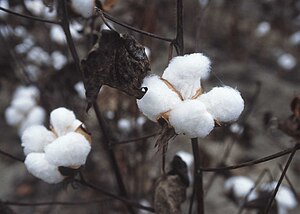
A brief explanation mori cotton, woven material with woven
system of simple, commonly used in the manufacture of batik fabrics and
so on,
Penjelasan singkatnya katun mori,
bahan yang ditenun dengan sistem tenunan sederhana, biasanya digunakan dalam
pembuatan kain batik dan sebagainya,
• Cotton karded, fiber
knitted material is less refined and less flat appearance,
• Cotton tetoron, a blend of 35% cotton and 65% polyester,
• Cotton viscose, a blend of 55% cotton and 45% viscose,
2. furs
3. Leather tanning
4. Linen
• Cotton tetoron, a blend of 35% cotton and 65% polyester,
• Cotton viscose, a blend of 55% cotton and 45% viscose,
2. furs
3. Leather tanning
4. Linen

Linen
is often used in making light clothes and tablecloths.
5. Nylon
Nylon is a synthetic polymer family which was created in 1935 by Wallace Carothers at DuPont. The first product is air-bristle toothbrush nylon (1938), followed by products that are better known: pantyhose for women in 1940. The nylon made from a series of units that are linked by a peptide bond (amide bond) and are often termed polyamide (PA). Nylon is a polymer of the first successful commercially, and is the first synthetic fiber made entirely of inorganic materials: coal, water, and air. These elements are arranged into a monomer with a low molecular weight, which is further reacted to form long polymer chains.
This material is intended to be a substitute for synthetic silk is realized by using it to replace a silk parachute material after the United States entered World War II in 1941, which led to stocking hard earned until the war ended.
6. Polyester (Tetoron)
Polyester is a category of polymers which contain the ester functional group in their main chain. Although there are many polyesters, the term "polyester" is as a specific ingredient more commonly refers to polyethylene terephthalate (PET). Polyesters include natural chemical substances, such as the cutin of plant cuticles, as well as synthetic chemicals such as polycarbonate and polybutyrate.
Can be produced in various shapes such as sheets and three-dimensional form, as thermoplastic polyester can change shape after heated. Although combustible at high temperatures, polyesters tend crimped away from the fire and extinguish themselves when combustion occurs. Polyester fibers have high strength and E-modulus and low water absorption and shrinkage is minimal when compared with other industrial fibers.
Tertenun polyester fabrics used in consumer clothing and home furnishings such as bed sheets, bed covers, curtains and drapery. Pengutan industrial polyester used in tires, rope, cloth made introductory machine belt (conveyor), safety belts, coated fabrics and plastic reinforcements with high energy absorption. Polyester fiber is also used for filling pillows and comforters.
Fabric of polyester touted felt "unnatural" when compared with the same woven fabrics from natural fibers (eg cotton textile use). However, the polyester fabric has several advantages such as improved wrinkle resistance. As a result, polyester fibers are sometimes spun together with natural fibers to produce a cloth with combined properties.
Polyesters are also widely used as a softener (finish) on high quality wood products such as guitar, piano, and the inside of the vehicle / boat excursion. Burns Guitars, Rolls-Royce and Sunseeker are a few companies that use polyesters to finish their products. Thixotropic properties of polyester which can be used as a spray makes it ideal for use on grain timbers-open, as they can fill wood grain quickly, with a film thickness formed per coat. Cured polyesters can be sanded and polished to a high finish.
5. Nylon
Nylon is a synthetic polymer family which was created in 1935 by Wallace Carothers at DuPont. The first product is air-bristle toothbrush nylon (1938), followed by products that are better known: pantyhose for women in 1940. The nylon made from a series of units that are linked by a peptide bond (amide bond) and are often termed polyamide (PA). Nylon is a polymer of the first successful commercially, and is the first synthetic fiber made entirely of inorganic materials: coal, water, and air. These elements are arranged into a monomer with a low molecular weight, which is further reacted to form long polymer chains.
This material is intended to be a substitute for synthetic silk is realized by using it to replace a silk parachute material after the United States entered World War II in 1941, which led to stocking hard earned until the war ended.
6. Polyester (Tetoron)
Polyester is a category of polymers which contain the ester functional group in their main chain. Although there are many polyesters, the term "polyester" is as a specific ingredient more commonly refers to polyethylene terephthalate (PET). Polyesters include natural chemical substances, such as the cutin of plant cuticles, as well as synthetic chemicals such as polycarbonate and polybutyrate.
Can be produced in various shapes such as sheets and three-dimensional form, as thermoplastic polyester can change shape after heated. Although combustible at high temperatures, polyesters tend crimped away from the fire and extinguish themselves when combustion occurs. Polyester fibers have high strength and E-modulus and low water absorption and shrinkage is minimal when compared with other industrial fibers.
Tertenun polyester fabrics used in consumer clothing and home furnishings such as bed sheets, bed covers, curtains and drapery. Pengutan industrial polyester used in tires, rope, cloth made introductory machine belt (conveyor), safety belts, coated fabrics and plastic reinforcements with high energy absorption. Polyester fiber is also used for filling pillows and comforters.
Fabric of polyester touted felt "unnatural" when compared with the same woven fabrics from natural fibers (eg cotton textile use). However, the polyester fabric has several advantages such as improved wrinkle resistance. As a result, polyester fibers are sometimes spun together with natural fibers to produce a cloth with combined properties.
Polyesters are also widely used as a softener (finish) on high quality wood products such as guitar, piano, and the inside of the vehicle / boat excursion. Burns Guitars, Rolls-Royce and Sunseeker are a few companies that use polyesters to finish their products. Thixotropic properties of polyester which can be used as a spray makes it ideal for use on grain timbers-open, as they can fill wood grain quickly, with a film thickness formed per coat. Cured polyesters can be sanded and polished to a high finish.
7. Rayon

Rayon or rayon fabrics are fabrics made from regenerated cellulose fibers. The fiber is used as rayon derived from organic polymers, so-called fiber semisintesis because it can not be classified as synthetic fibers or natural fibers really are. [1] In the textile industry, rayon fabric known as viscose rayon or artificial silk. This fabric is usually looks shiny and not easily tangled. Rayon fiber has the chemical elements carbon, hydrogen, and oxygen.
Rayon fabrics are widely used in the garment industry for clothing materials and supplies clothing, like nightgowns, jackets, coats, underwear, scarves, hats, ties, socks, and upholstery shoes. Fabrics of this type are also used as a ground cloth and complementary home furnishings (bed sheets, blankets, curtains) and equipment needs of the industry (fabrics for hospital furniture, tire yarn), as well as personal hygiene items (napkins and diapers). In Indonesia, rayon fabric is a raw material for industrial fabrics and batik shirt.
8. Silk

Yarn
spinning silk from silkworm cocoons.
"Silk wild" produced by caterpillars other than silkworm mulberry and can also be processed. Various wild silk recognized and used in China, South Asia, and Europe long ago, but the scale of production is always much smaller than silk farmed. Wild silk from silk ternakan different in terms of color and texture, as well as wild cocoons collected usually already damaged by moths that come out before the cocoons are taken, so that the silk threads that make up the cocoon has been cut off to be short. Silkworms bred killed by dipped in boiling water before the adult moths discharge, or stabbed with a needle, so the whole cocoon can be decomposed into a thread unbroken. It makes silk be woven into the fabric stronger. Wild silk are also more difficult than silk dyed farmed.
Four types of farmed silk moth paramount.
Silk is also produced by several other insects, but just kind of silk from silkworms that are used for the manufacture of textiles. Ever also run studies on other sutras, which reveal the difference of the molecular aspects. Silk is produced mainly by the larvae of insects that complete metamorphosis, but also produced by some adult insects such as Embioptera. Silk production is also often found in particular in order hymenoptera insects (bees, hornets and ants), and sometimes used to make nests. Types of other arthropods also produce silk, especially arachnids like spiders.
9. spandex
10. Wool
"Silk wild" produced by caterpillars other than silkworm mulberry and can also be processed. Various wild silk recognized and used in China, South Asia, and Europe long ago, but the scale of production is always much smaller than silk farmed. Wild silk from silk ternakan different in terms of color and texture, as well as wild cocoons collected usually already damaged by moths that come out before the cocoons are taken, so that the silk threads that make up the cocoon has been cut off to be short. Silkworms bred killed by dipped in boiling water before the adult moths discharge, or stabbed with a needle, so the whole cocoon can be decomposed into a thread unbroken. It makes silk be woven into the fabric stronger. Wild silk are also more difficult than silk dyed farmed.
Four types of farmed silk moth paramount.
Silk is also produced by several other insects, but just kind of silk from silkworms that are used for the manufacture of textiles. Ever also run studies on other sutras, which reveal the difference of the molecular aspects. Silk is produced mainly by the larvae of insects that complete metamorphosis, but also produced by some adult insects such as Embioptera. Silk production is also often found in particular in order hymenoptera insects (bees, hornets and ants), and sometimes used to make nests. Types of other arthropods also produce silk, especially arachnids like spiders.
9. spandex
10. Wool

A blend of nylon, polyester and spandex produce good material for an athlete or someone who has a high activity, because it is made to evaporate sweat in order to stay dry, so as to optimize the body temperature when performing activities. So users can work more efficiently and better. Materials like this are often found in well-known brands such as Nike Dri-fit, the material used by Nike has 62% cotton, 34% polyester and 4% spandex.
Similarly, articles about the notion clothing, Muslims, women's clothing, custom clothing, children's clothing, games clothing, work clothing. May be useful.

No comments:
Post a Comment